Examining how Swedish licensing shapes transaction security and player protection tools across digital slot platforms
Vera Patterson · Aug 21, 2026
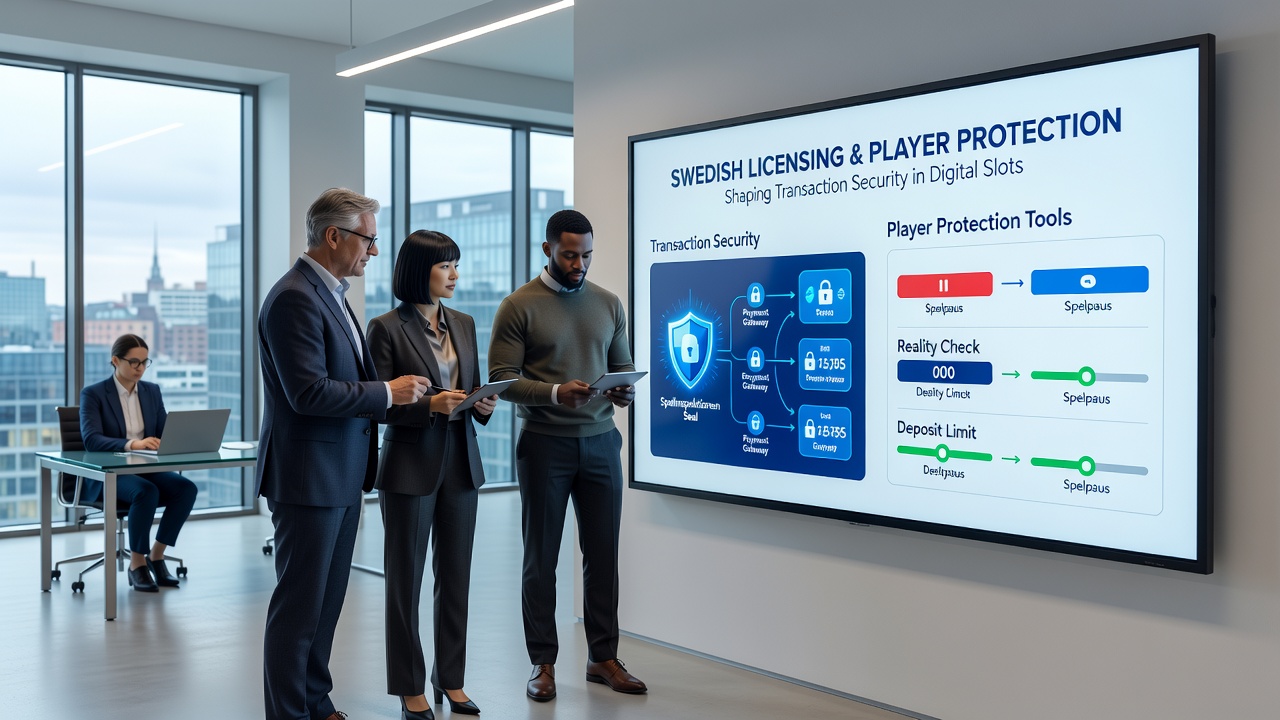
Examining how Swedish licensing shapes transaction security and player protection tools across digital slot platforms
Swedish licensing through Spelinspektionen establishes strict rules that digital slot platforms must follow for transaction security and player protection, and these standards have evolved since the 2019 re-regulation of the market. Operators receive approval only after demonstrating compliance with technical specifications that cover encryption, payment processing, and verification systems, while ongoing audits check whether platforms maintain those safeguards during live operations.
Core Requirements for Transaction Security
License holders must implement multi-layered encryption protocols and real-time monitoring tools that flag unusual payment patterns, and Spelinspektionen requires annual third-party security assessments to confirm that systems resist unauthorized access or data breaches. Payment methods undergo approval only when they support instant verification and maintain separation between player funds and operational accounts, which reduces risks of misappropriation during deposits or withdrawals.
Platforms integrate automated checks that verify player identity before processing any transaction, and this process aligns with broader anti-money laundering directives that apply across the European Union. Data from regulatory reports shows that licensed operators record lower incident rates of fraudulent activity compared with unregulated sites, because the licensing process demands documented procedures for handling disputes and reversing erroneous transfers.
Player Protection Tools Mandated by License Conditions
Every licensed platform must offer deposit limits, loss limits, and session time reminders that players can adjust through account settings, and these features activate automatically upon registration rather than requiring separate opt-in steps. Self-exclusion registers connect directly to a national database, so a player who requests exclusion on one site cannot open accounts elsewhere without detection, and this system updates in real time to enforce the chosen period.
Reality checks interrupt play at intervals chosen by the player or set as defaults, while mandatory risk assessment questionnaires appear at regular intervals to identify patterns that may indicate problem gambling. Operators must provide direct links to support organizations and allow immediate account suspension when a player signals distress, and failure to meet these obligations can result in fines or license revocation.
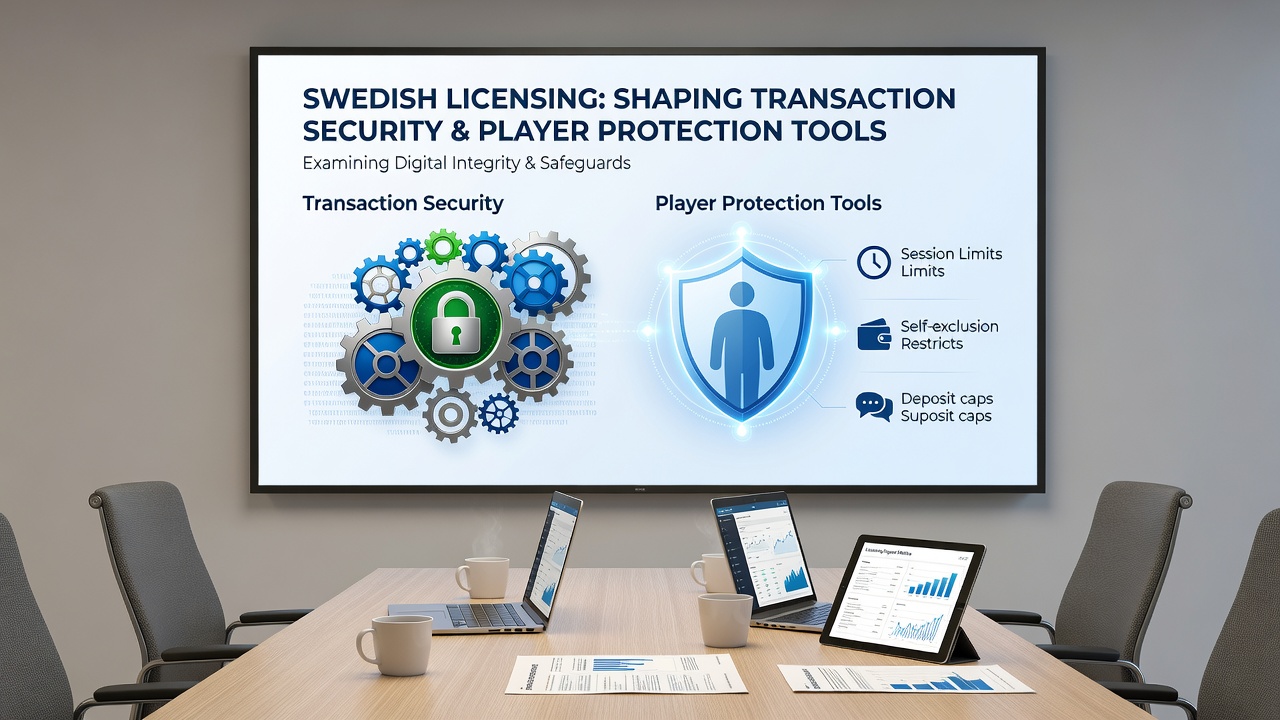
Impact on Digital Slot Platform Operations
Slot providers adjust game mathematics and bonus structures to comply with transparency rules that require clear disclosure of return-to-player percentages and wagering requirements, and these adjustments occur before any title reaches the Swedish market. Transaction logs must remain accessible for regulatory review for at least five years, which encourages platforms to adopt centralized data management systems that also support faster customer service responses during verification queries.
August 2026 marks the scheduled implementation of updated technical standards that further integrate biometric authentication options into payment flows, and operators have already begun testing these additions on select platforms to meet the coming deadlines. Smaller developers sometimes partner with established licensees to share compliance infrastructure rather than building separate security layers, which spreads costs while maintaining uniform protection levels across the market.
Comparative Context from Other Jurisdictions
Observers note parallels between Swedish requirements and frameworks used by regulators in Australia and Canada, where similar emphasis on fund segregation and real-time monitoring appears in licensing conditions. Research published by academic institutions in those regions indicates that centralized exclusion systems correlate with reduced rates of multiple account creation, and Swedish data aligns with those findings according to aggregated industry statistics.
One study conducted through a Canadian research consortium examined cross-border player behavior and found that platforms operating under multiple licenses often standardize their highest protection level across all markets, which benefits users in Sweden even when they access games developed for other regions. This convergence occurs because maintaining separate tool sets proves more expensive than implementing the strictest standard everywhere.
Conclusion
Swedish licensing continues to define baseline expectations for both transaction security and player protection across digital slot platforms, and the framework influences how operators allocate resources for compliance technology. Platforms that meet these conditions gain market access while demonstrating measurable safeguards that regulatory data tracks over time. The ongoing updates scheduled for 2026 will likely extend existing protections rather than replace them, keeping the focus on verifiable systems that support both security and responsible play.